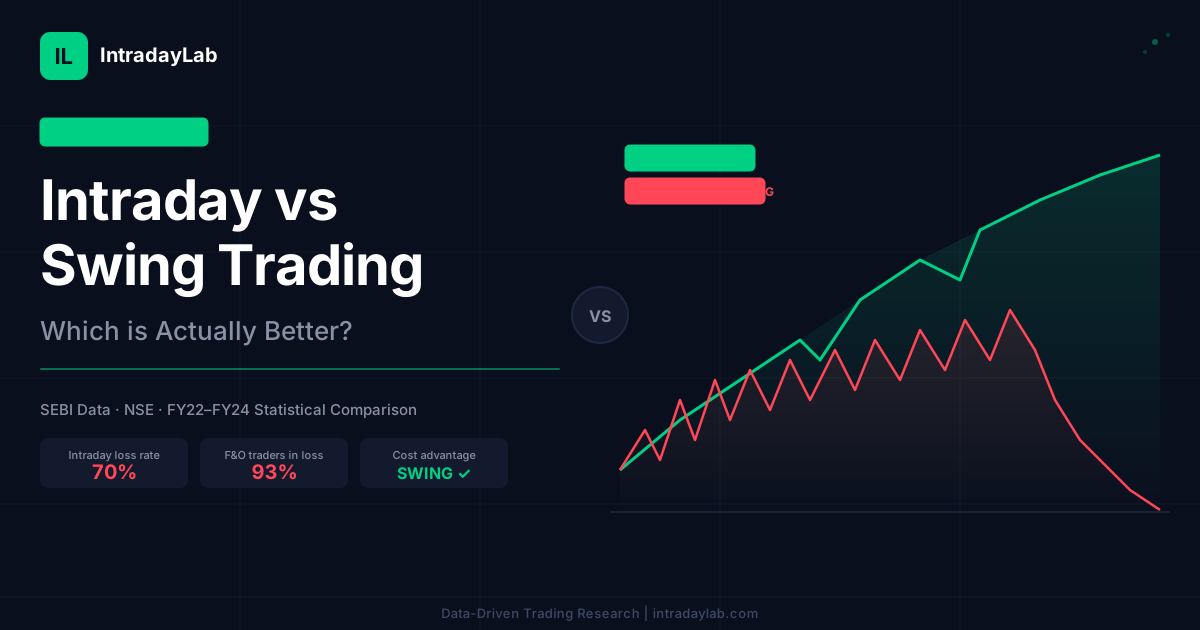
Intraday Trading15 min read
Intraday vs Swing Trading – Which is Better? (Data Tells)
Intraday vs swing trading — which actually makes more money? SEBI data, cost analysis, win rates, and a statistical comparison for Indian traders.
Read More
Rigorous backtests on institutional-grade market data. Every number is real. Every assumption is disclosed. Every limitation is mentioned.
Intraday vs swing trading — which actually makes more money? SEBI data, cost analysis, win rates, and a statistical comparison for Indian traders.
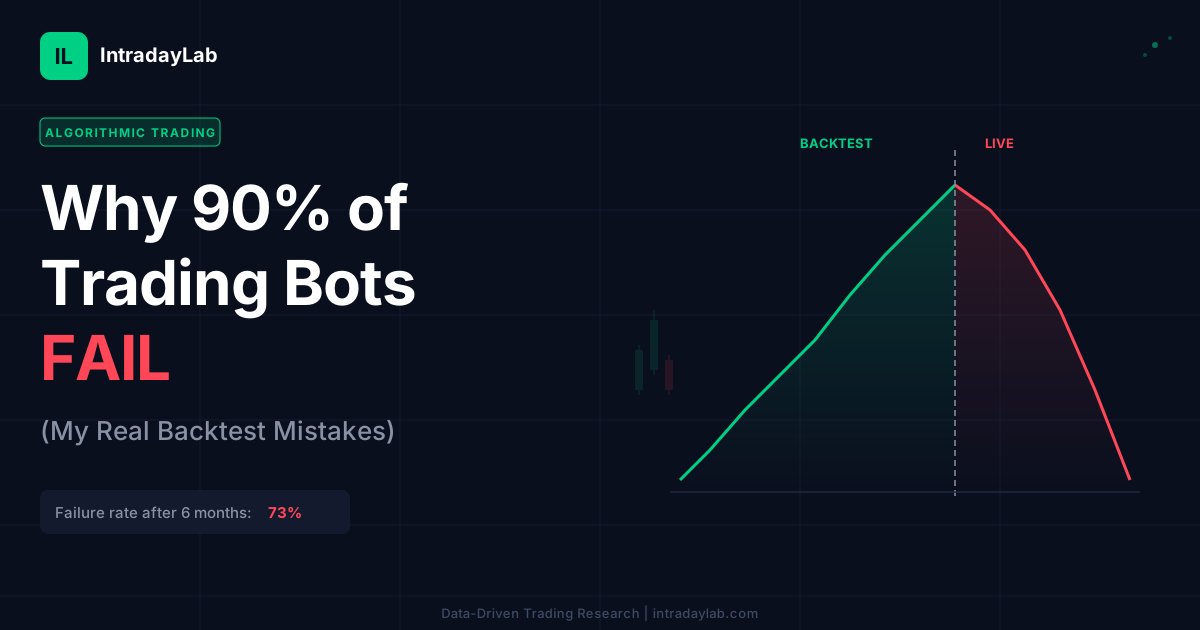
Discover the real reasons trading bots fail in live markets. From overfitting to look-ahead bias, here are the backtest mistakes I made — backed by data.
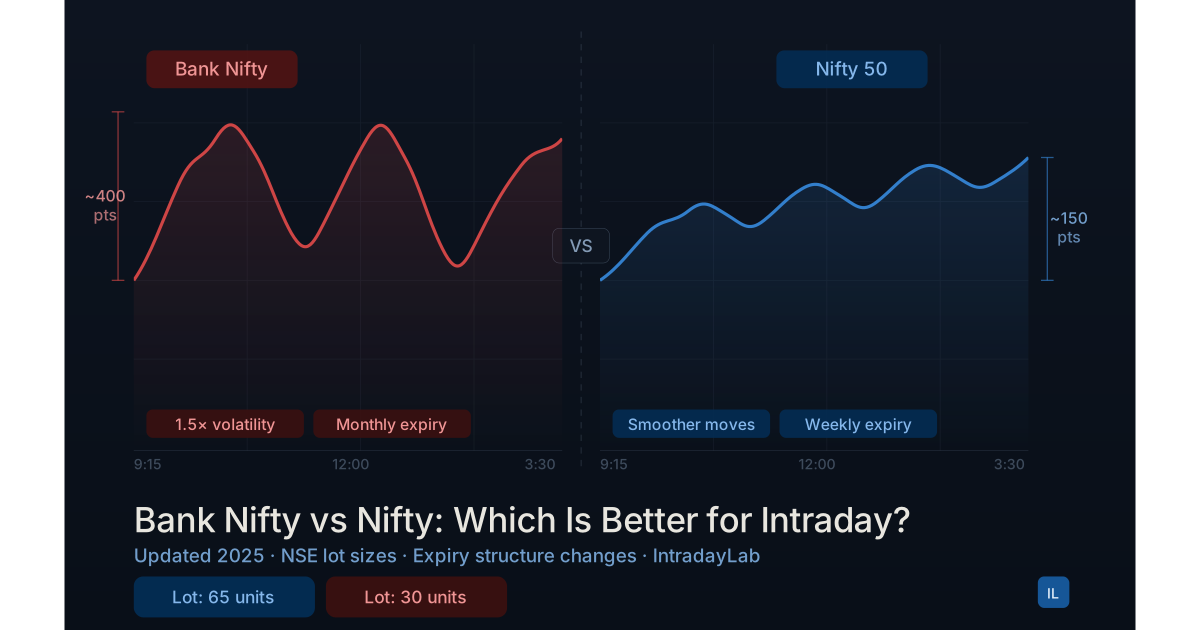
Comparing Bank Nifty and Nifty 50 for intraday trading across volatility, expiry structure, capital requirements, and predictability. Data-driven analysis on which index suits your trading style.
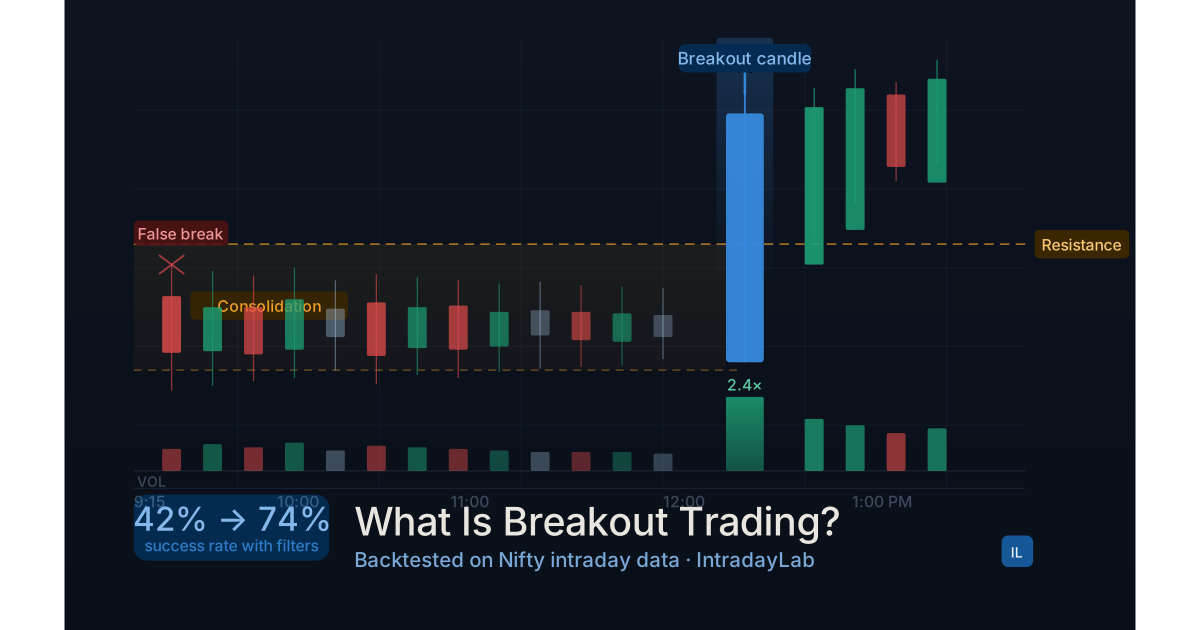
Unfiltered breakout entries on Nifty succeed only 42% of the time. We tested 12 months of data on opening range, consolidations, and key levels. Here's which breakouts actually work and why most traders get trapped.
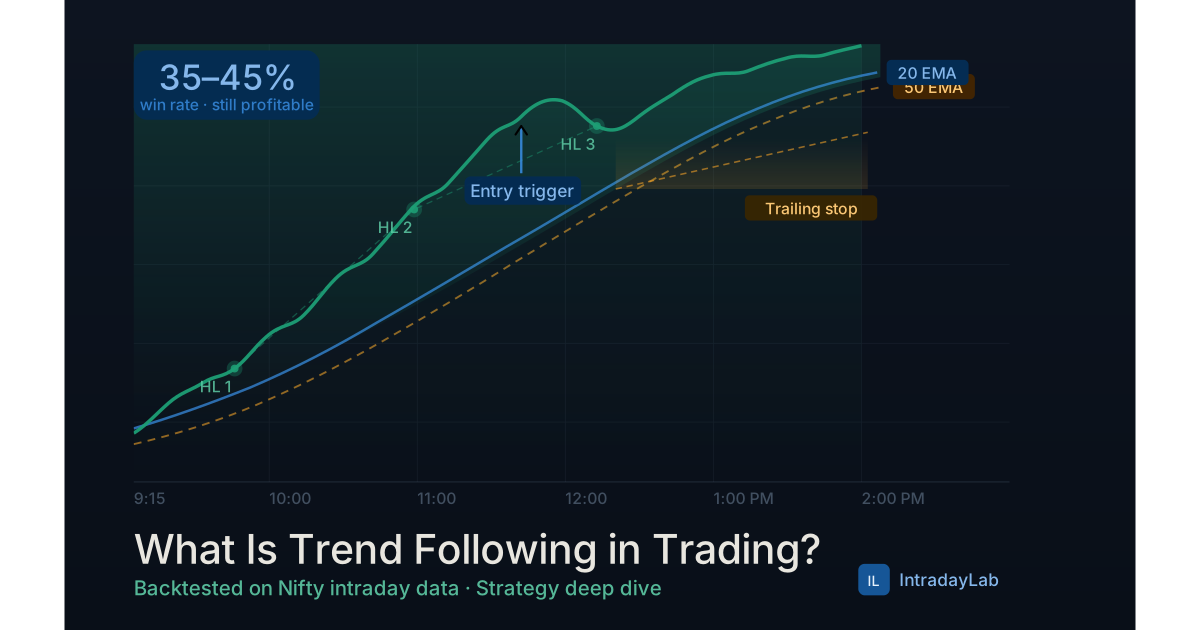
Trend following has a 35-45% win rate but still profitable. We tested it on Nifty intraday data. Here's exactly why it works, why most traders fail at it, and what the data shows.
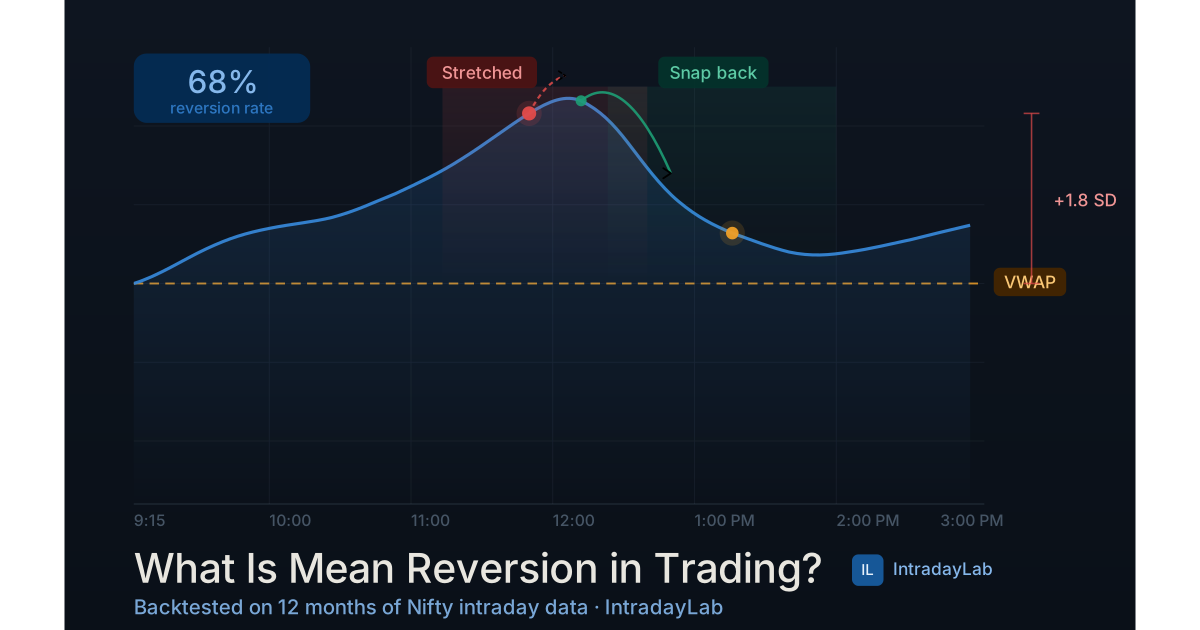
12 months of Nifty intraday data showed mean reversion near VWAP is a real tendency, but only with the right context. A data-driven look at when to fade the move and when to stand aside.
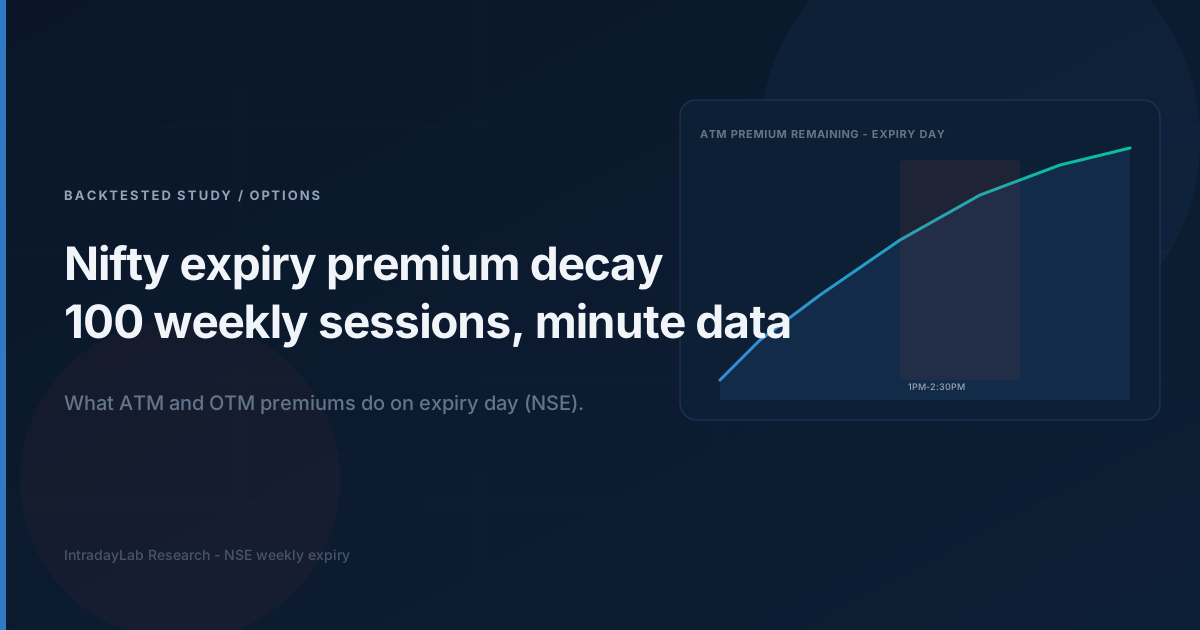
100 weekly expiry sessions, minute-by-minute ATM and OTM data — how premium really decays on expiry day, when decay accelerates, and why directional correctness stops mattering after noon.
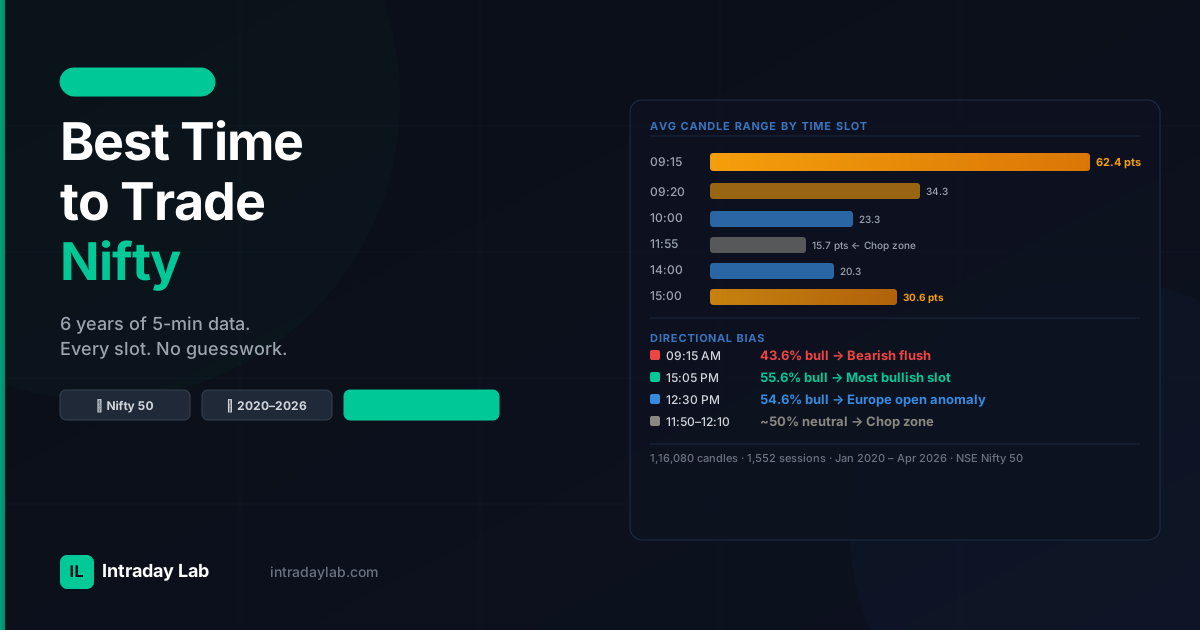
We analyzed 1,16,080 five-minute Nifty candles across 1,552 trading days (2020–2026) to find the best and worst times to trade intraday. The data exposes which slots have real directional edge, which are pure chop, and why 15:05 is the single most bullish slot of the entire trading day.
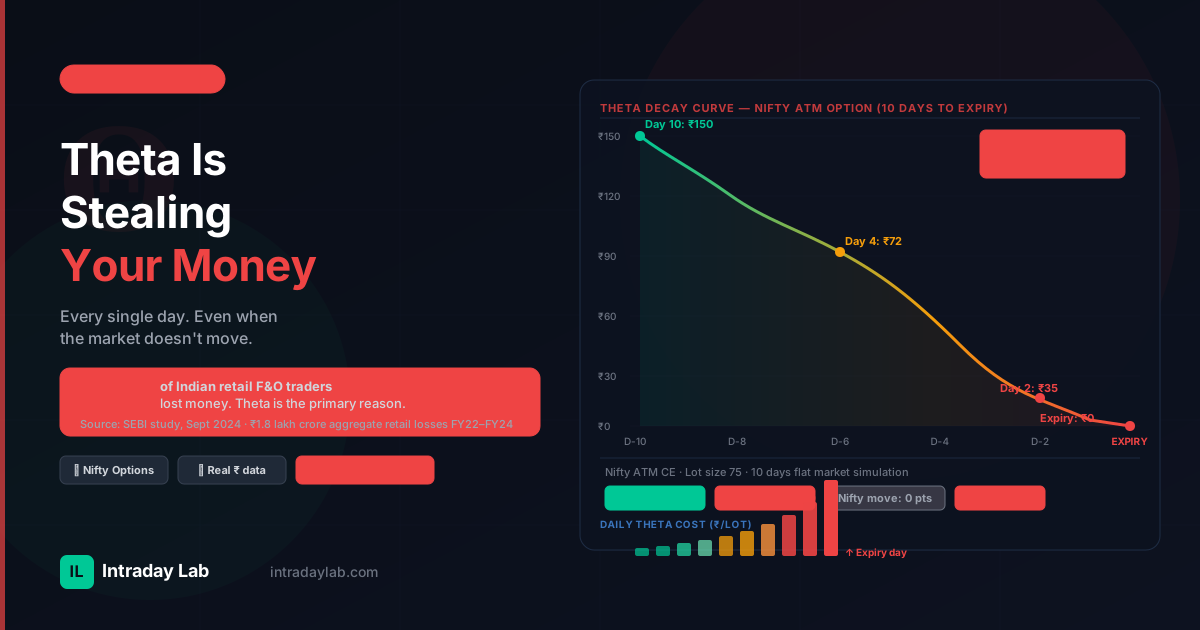
Theta is not just a Greek letter — it is a daily, automatic deduction from every option you hold. We break down exactly how much theta costs Indian traders in rupees, why it accelerates near expiry, and the 4 rules the profitable 7% use to stop it working against them.
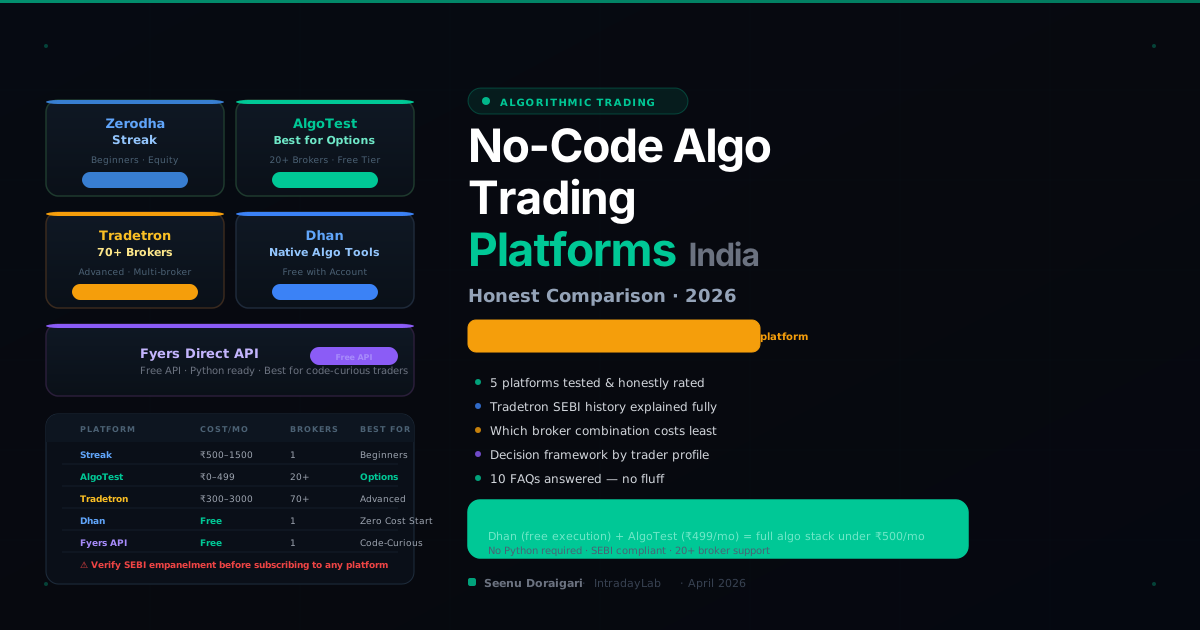
Zerodha Streak, AlgoTest, Tradetron, Dhan, Fyers — which no-code algo trading platform actually works for Indian retail traders in 2026? An independent, SEBI-aware comparison with honest verdicts on pricing, features, and the regulatory context every trader must understand.
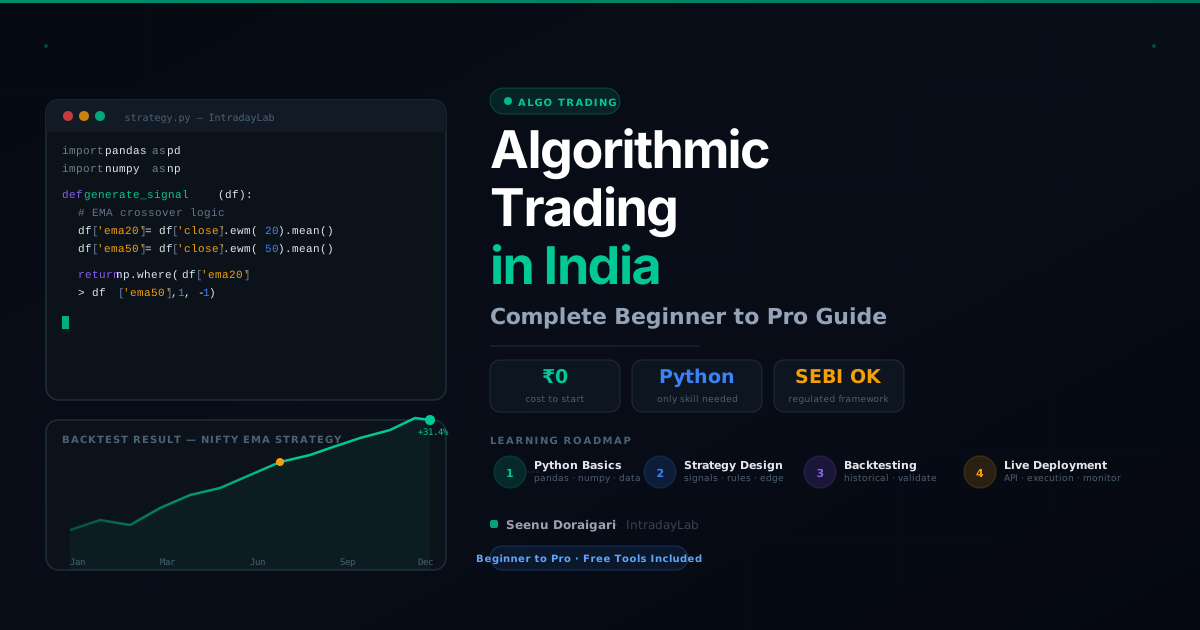
The only algo trading guide written specifically for Indian markets. Learn how to design, backtest and deploy your first algo strategy using Python, NSE data and SEBI-compliant broker APIs — from absolute zero to live execution.
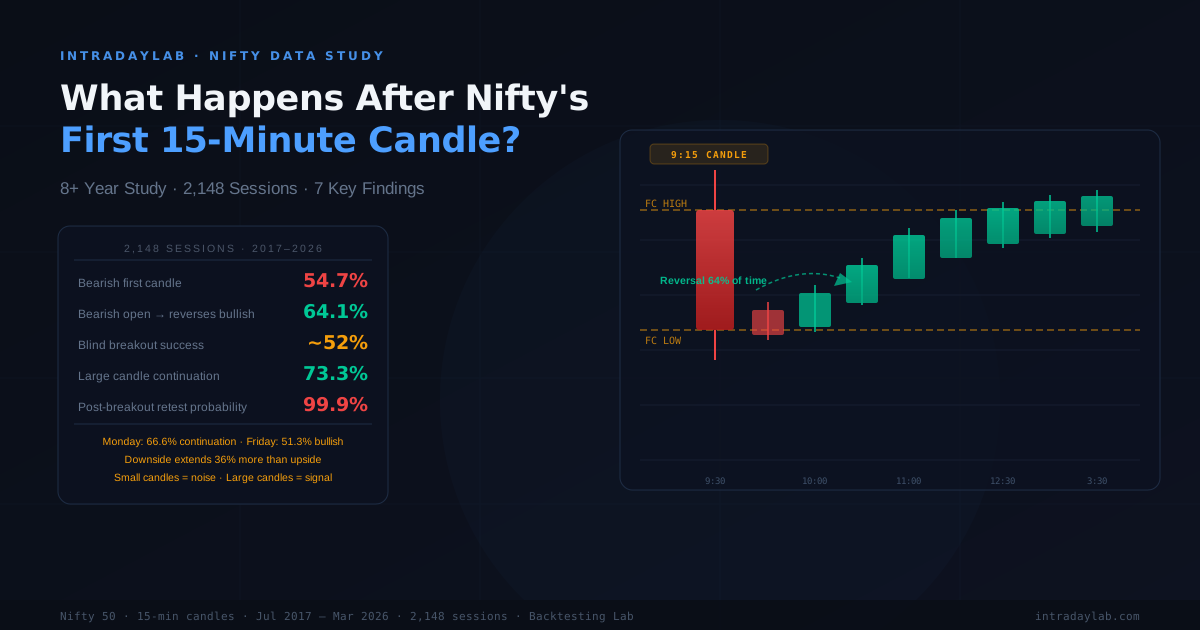
We analyzed 2,148 Nifty trading sessions to find out what actually happens after the first 15-minute candle. Blind breakouts succeed only 52% of the time. Bearish opens reverse 64% of the time. Candle size is the real signal. Here is what 8+ years of data shows.
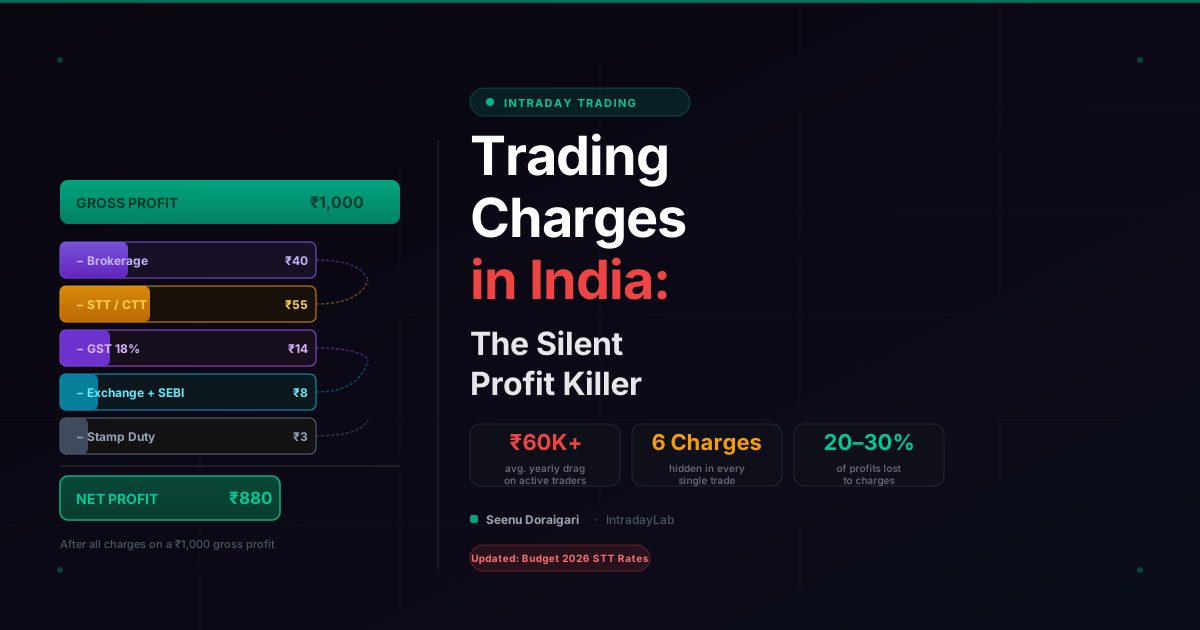
Every trade you place bleeds money through 6 different charges — before you even know if the trade worked. Here's the complete breakdown of STT, brokerage, GST, exchange fees, SEBI charges and stamp duty in India, with real numbers that will change how you think about trading costs.
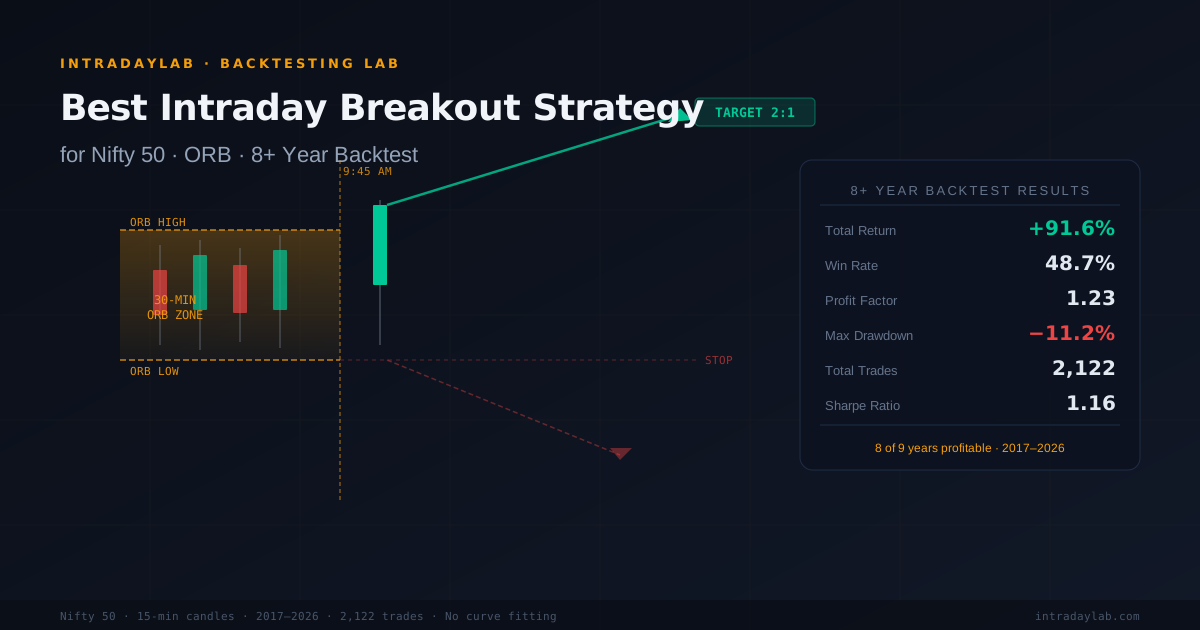
We backtested the Opening Range Breakout strategy on Nifty 50 using 2,122 trades across 8+ years of real data. Win rate, profit factor, year-by-year breakdown, and filters that actually improve it — no opinions, just numbers.
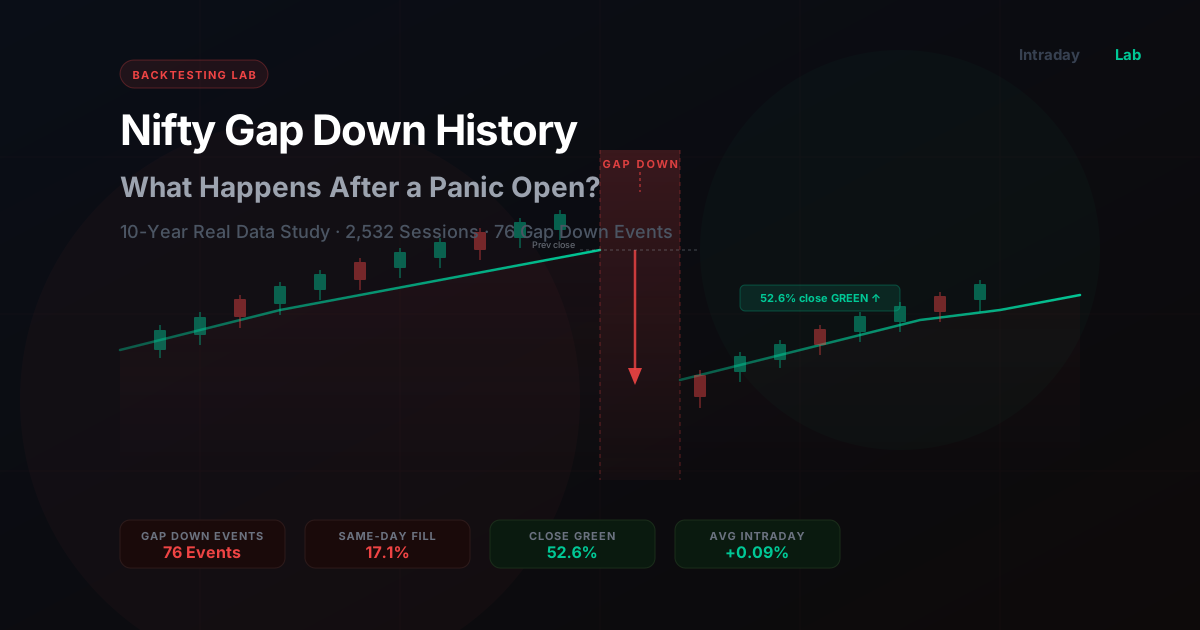
We analyzed 76 Nifty gap down events across 10 years (2016–2026). The data reveals something most traders never expect: gap down days are NOT automatically bearish intraday. Here's what actually happens.

We analyzed every Nifty trading session from 2016 to 2026 — 2,532 sessions, 85 gap up events. What happens after Nifty opens 1% higher? The data reveals findings most traders never expect.
Free Research Newsletter
Free, no spam. Unsubscribe anytime.
No signals. No tips. Just data-backed research — free always.